
Donate
- OUR STORY

Stronger communities. More wildlife.

Zambia holds some of Africa's last great wild places. The people who live beside them are among the poorest on earth. Those two facts decide each other: where families have water, work and food, they protect the wildlife around them. Where they do not, no fence or patrol changes the outcome. ZWCF exists to close that gap, in the places where it is widest.

- THE CHALLENGE

Subsistence farmers, living next to some of Africa's biggest animals.

6thhighest extreme poverty rate in the world
64.3%of Zambians live on less than $2.15 a day (2022)
78.8%rural poverty rate (2022)
5.8Mpeople faced acute hunger after the 2024 drought

Source: World Bank, Zambia Poverty and Equity Assessment (2025) and Zambia Economic Update (2025).

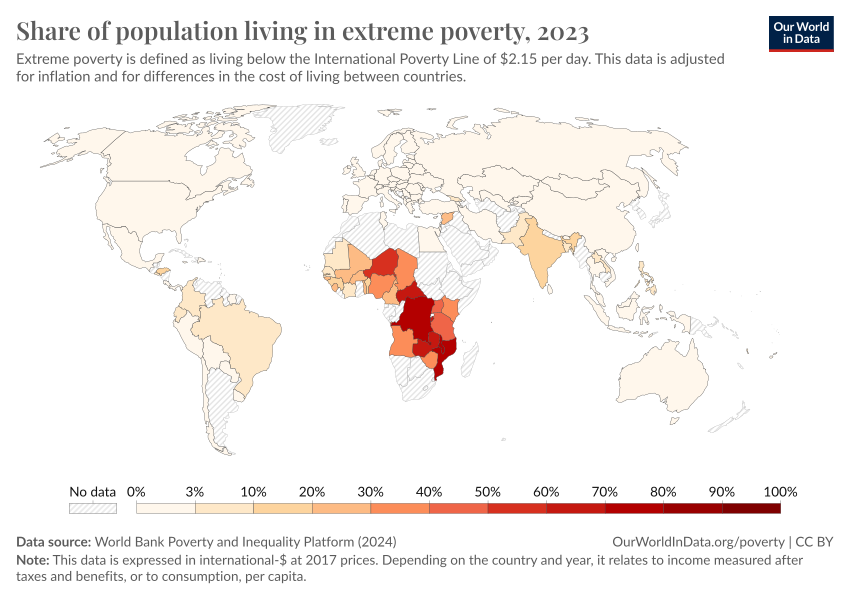
World map of the share of people living in extreme poverty in 2023, highest across southern and central Africa including Zambia
Extreme poverty is now concentrated in a band of southern and central Africa, Zambia among the highest. Map: Our World in Data, CC BY, from the World Bank Poverty and Inequality Platform (2024).

Ask any chief what matters most, and the answer is the same five things.

  1. WaterClean water close to home, so women and children aren't walking for hours.
  2. JobsWages, not just aid: scouts, builders, guides, farm and camp work.
  3. EducationSchool for their children, with teachers who stay and girls who finish.
  4. Food when harvests failFamilies farm to eat. Drought and elephants can take a year's food overnight.
  5. Health care when it's urgentA clinic, a safe birth, and a way to get there in an emergency.
- WHY HERE

Far from the park gates, the mantra is not a slogan.

Most of the valley's tourism, and the money that comes with it, gathers around the main gates and lodges. Families in the remote chiefdoms that border the parks see little of it. A 2021 study found that Mfuwe is the only community along the 800-kilometer valley with an all-weather road, an airport and upgraded clinics and schools (read more). A river in flood can cut a village off for months; a snake bite or a hard birth can mean a motorbike carried across the Luangwa to reach a clinic.

These are also the places where wildlife moves in and out of the parks, and where snares are set when food runs out. Here, stronger communities and more wildlife are the same outcome. That is why ZWCF works in the game management areas, and why it is taking programs that have worked around Mfuwe since 1999 farther up the valley and into Greater Kafue and North Luangwa.

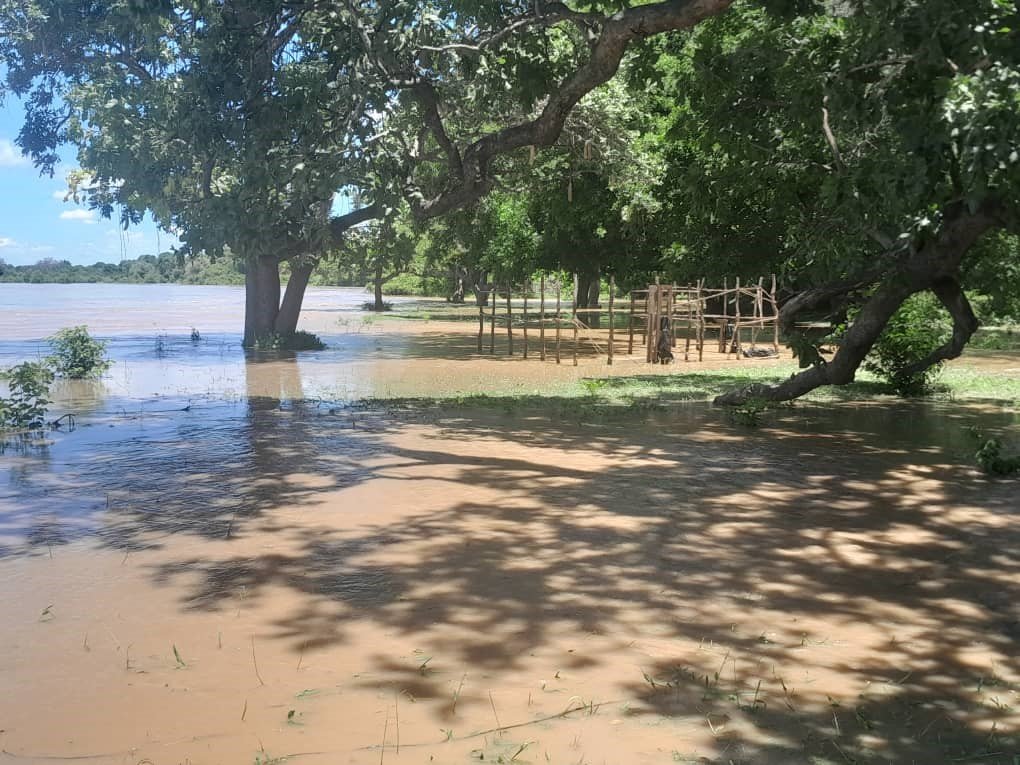
The Luangwa in flood beside a village
Every rainy season the Luangwa floods, cutting villages off from clinics, schools and markets.
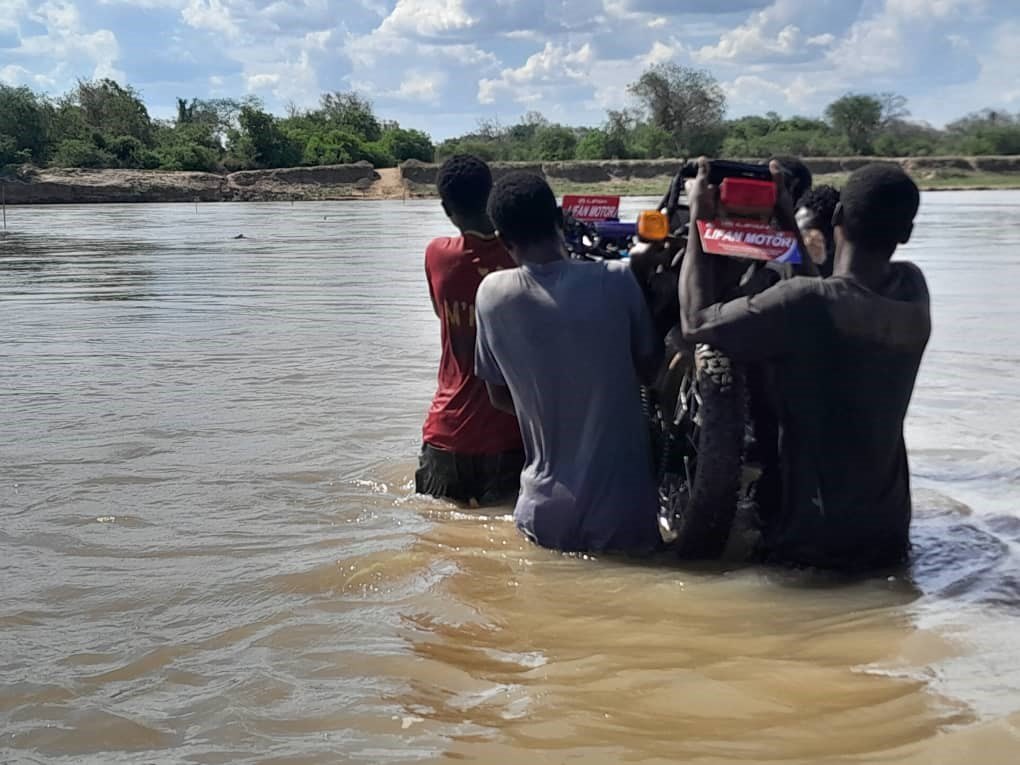
A motorbike carried across the Luangwa River for medical transport
A motorbike for medical transport, carried across the river because there is no road.
- EVERY DAY IN THE GMAS

A year's food can be gone in a night.

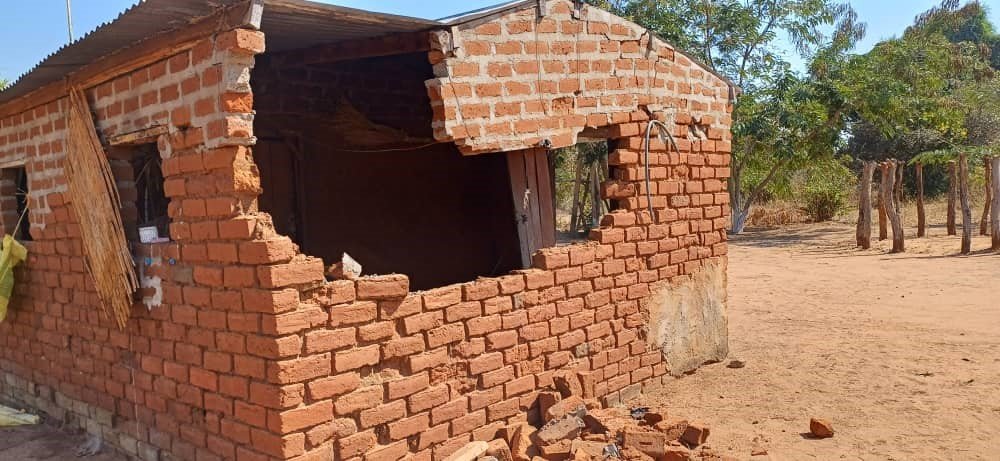
A brick crop store broken open by an elephant
One elephant, one night. This brick store held a family's harvest. An elephant broke through the wall and the food was lost.
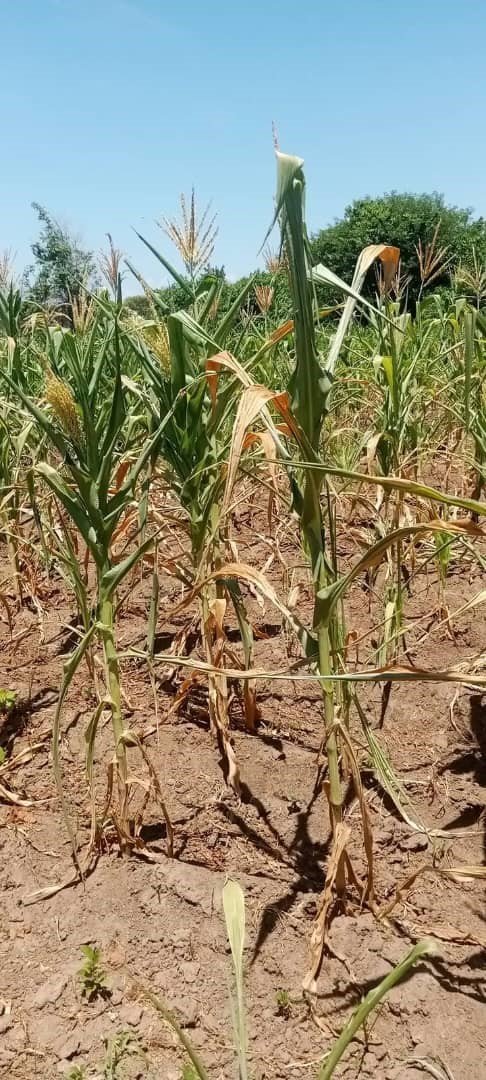
Maize plants dying in drought
Drought. Through the growing season, families fight dry spells and wildlife for the same field. In 2024 the rains failed across Zambia.

Around Mfuwe, the park gate brings visitors, and with them markets, craft sales and jobs. Most of the valley sees none of that traffic. There, a family's only income is the crop in the field, and it is exposed every season to drought, to elephants and to everything in between.

When a harvest is lost, families need food, and snares go out. Food in hard years, crop protection and jobs that don't depend on the rain are conservation, not charity.

- WHY IT MATTERS BEYOND ZAMBIA

One of Africa's last great river valleys, still intact.

A river still running freeSome 800 km to the Zambezi without a single dam, one of southern Africa's longest free-flowing rivers.
Found nowhere elseThornicroft's giraffe lives only here; Cookson's wildebeest and Crawshay's zebra are endemic or near-endemic.
A stronghold for predatorsSome of Africa's highest leopard densities, key painted dog populations and one of Zambia's largest lion populations.
Rhino and elephants returningBlack rhinos were poached out of the Luangwa by the early 1990s. Frankfurt Zoological Society brought them back to North Luangwa from 2003, now Zambia's only black rhinos, and the valley holds the country's largest elephant population.
Vast and unfencedMore than 70,000 km² of unfenced wild land. South Luangwa National Park alone, at 9,050 km², is about the size of Yellowstone.
Still intact, for nowLess degraded than most of Zambia thanks to conservation, but land conversion now threatens it.
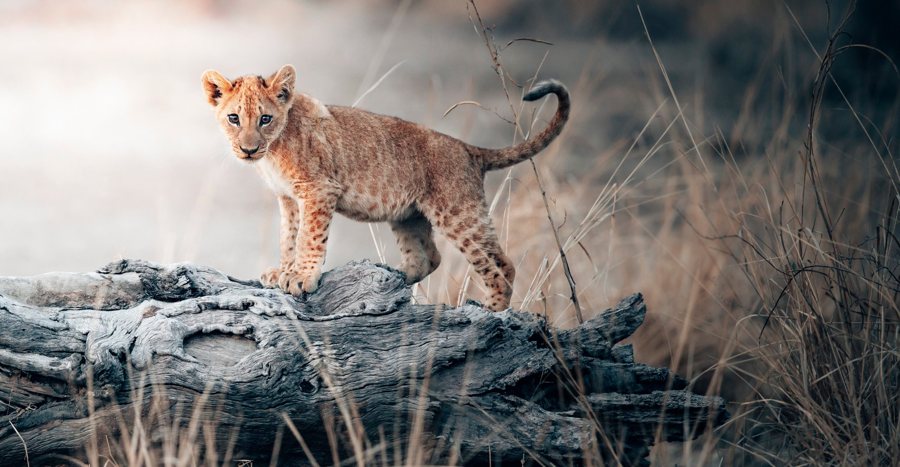
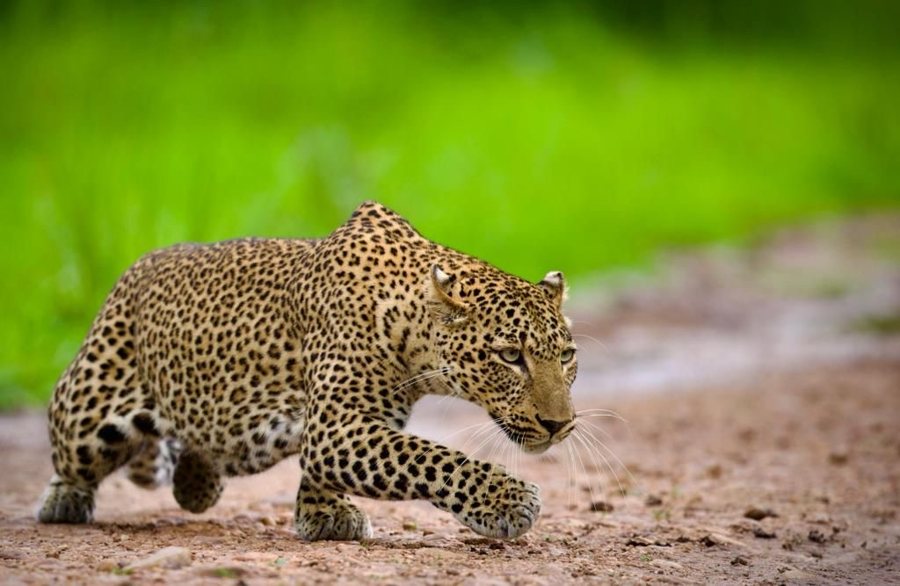
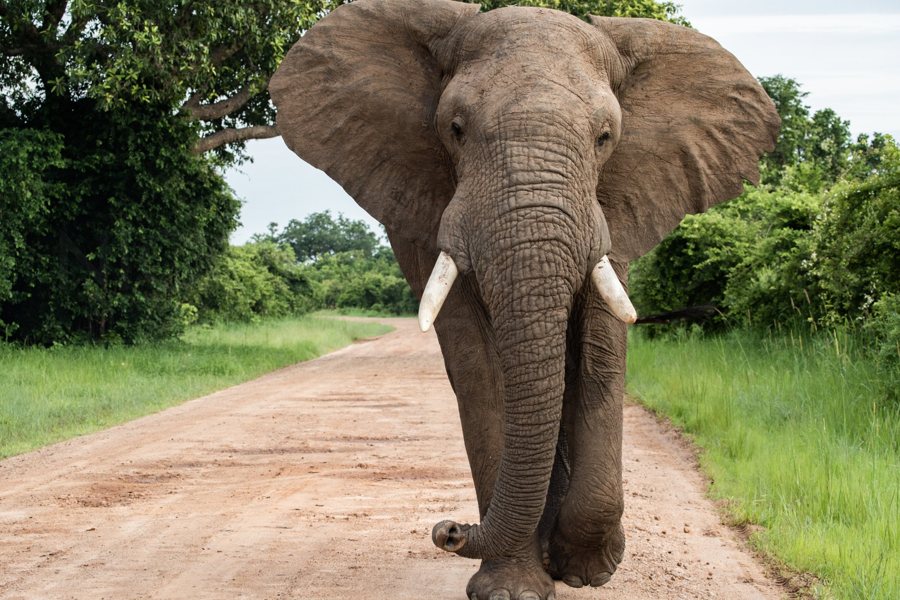
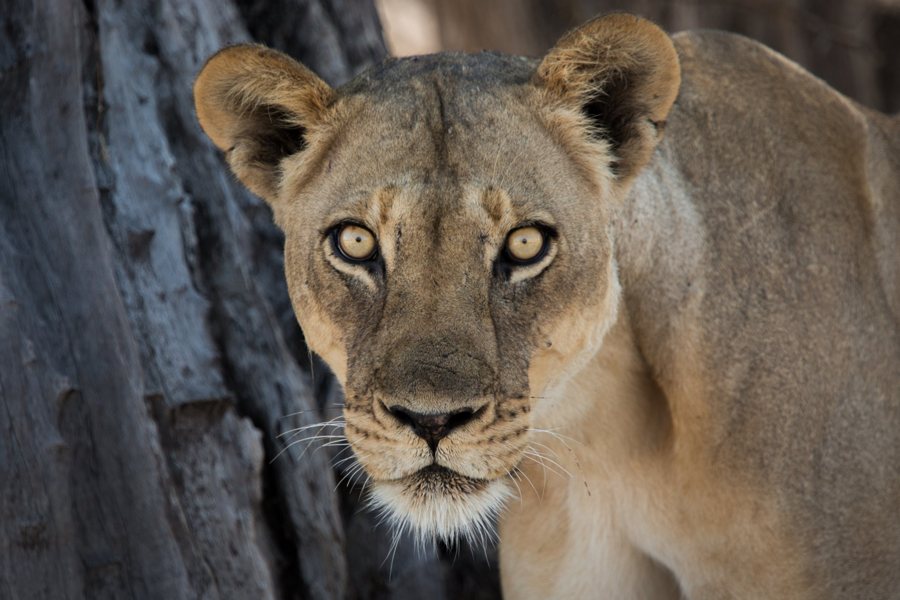
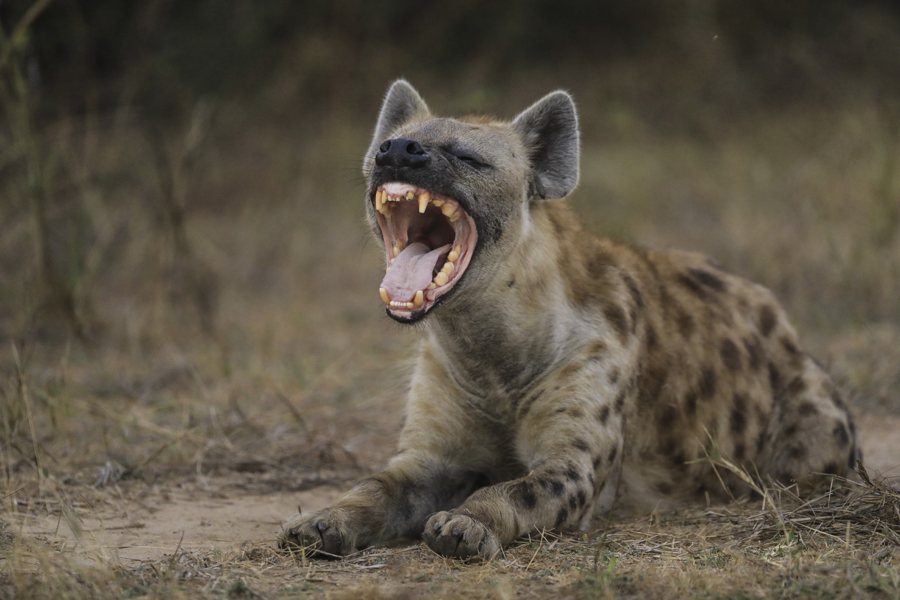
Lion cub on a fallen logLeopard on the moveElephant bull on a dirt roadLioness looking into the cameraSpotted hyena yawning

Sources: World Bank Zambia Country Climate and Development Report (2026); Zambian Carnivore Programme; Frankfurt Zoological Society.

- THE GAP

Long-term investment has found Zambia's parks. The communities beside them are still waiting.

Zambia's parks have strong, long-term partners, several of them ZWCF's friends and partners. The community land around them has no equivalent.

Kafue National ParkAfrican Parks: a 20-year management agreement, signed 2022.
North Luangwa National ParkFrankfurt Zoological Society, a ZWCF partner, since 1986, now backed by Germany's Legacy Landscapes Fund.
Liuwa Plain and BangweuluAfrican Parks, since 2003 and 2008.
South Luangwa and its game management areasZambia's busiest safari park, with no long-term management partner or permanent fund. Its communities rely on tourism, hunting revenue and a few NGOs.

And the biggest funder stepped back. USAID put $146 million into African biodiversity in 2023, more than into any other continent. In 2025 most US aid projects were terminated.

The gap is not inside the parks. It is in the villages beside them, where the pressure on wildlife begins. That is where ZWCF works.

Sources: African Parks; BMZ Legacy Landscapes Fund; Yale Environment 360 (2025). Good work is already under way here, and we credit it: DNPW, Conservation South Luangwa, COMACO, the Zambian Carnivore Programme and Charity Begins at Home.

- HOW IT WORKS

Take care of the people, and the wildlife does well.

What ZWCF delivers

Clean water · jobs · education · food in hard years · health care and emergency transport

What communities do in return

Protect habitat and clear less land · follow their GMA's management plan · report poaching · welcome tourism in their chiefdom

What the wildlife gets

Fewer snares and less bushmeat hunting · intact habitat and open corridors · more animals, and the tourism that pays for it all

It has been tested here. In the Luangwa Valley, COMACO tied food security to conservation: farmers turned in more than 61,000 wire snares and 1,467 guns, and aerial surveys showed wildlife stabilizing or increasing (WCS; PNAS, 2011). Norman Carr put the same idea to work in this valley in the 1950s and early 1960s.

- WHY ZWCF

Local roots. A wider purpose.

ZWCF began as the US arm of Charity Begins at Home, the way American guests of The Bushcamp Company gave to its work around Mfuwe. Brooke and Corby Robertson III and the ZWCF board chose to expand the mission: to carry the same kind of programs into other game management areas, starting with the remote ones.

We are local, and that is our strength. The founders' teams already live and work in these landscapes. The trucks, the road grader and the drilling rig are already in the valley, so there is no overhead charge on any gift. Two generations of the Robertson family committed $2 million before inviting anyone else.

What a gift can do here

  • $5,600 drills a borehole that can serve about 200 people a day.
  • $10 million endows the foundation, so the work continues every year.
  • $5 million+ is half the endowment: about $250,000 a year for programs.*

*Illustrative, assuming a 5% annual endowment return.

Ways to give

ZWCF brings together conservation scientists, legal and financial professionals, and on-the-ground operators with decades of experience in Zambia's wildlife areas — united not by institutional obligation but by genuine, already-demonstrated commitment to this landscape and the communities within it.

The foundation was built around founders who were already doing the work. The board and advisors were assembled because they are the best people in their respective fields — not because they needed to be convinced of the mission, but because they had already demonstrated their commitment to it in practice.

ZWCF exists for those who want to contribute to work that is already happening — with personal oversight, established community relationships, and a governance structure that takes the responsibility of stewardship seriously.

- WHO DOES THE WORK

Two charities, one team

Charity Begins at Home is the Zambian charity of The Bushcamp Company, at work since 1999 in the villages around Mfuwe. The Zambia Wildlife & Community Foundation is its American sister: the US 501(c)(3), chaired by Brooke Robertson, that American guests had long supported. Brooke and Corby Robertson III renamed and broadened it. Same roots, wider purpose.

Brooke, Corby and the ZWCF board chose to widen the mission: to take the kind of programs Charity Begins at Home runs around Mfuwe into other game management areas, including remote chiefdoms far from the park gates and the lodges, where tourism money rarely reaches. ZWCF has also expanded its funding to conservation NGO partners aligned with its objectives. Our story

- WHO FUNDS THE WORK
ZWCF and its donorsThe US 501(c)(3). Its board decides which programs and partners to fund.
The Collection and its guestsFrom the camps' profits and the owners, and from guests during their stay.
Both support
Charity Begins at HomeThe Collection's Zambian charity, with staff from across the camps.Communities and wildlife: water, jobs, schools, food, health care and protection, in the chiefdoms beside the parks.
Conservation partnersIndependent organizations, among them CSL and Chipembele.Their own mandates: each partner pursues its own conservation work in the valley.

The idea is simple: take care of the people, and the wildlife does well. The teams of the Collection deliver the programs with trucks, a road grader and a drilling rig already in the valley, at no overhead charge to the foundation. Every dollar given goes to the work.

- THE FOUNDERS

Brooke and Corby Robertson III

A Texas-based family with a multi-generational tradition of community and conservation work. In the Luangwa Valley since 1984, and owners there since 2023, they have built one of its most active private conservation and community commitments — personal, operational, and direct.

Founding commitments$2,000,000$1,000,000 from Brooke and Corby Robertson III, and $1,000,000 from Corby's parents, Barbara and Corby Robertson Jr.
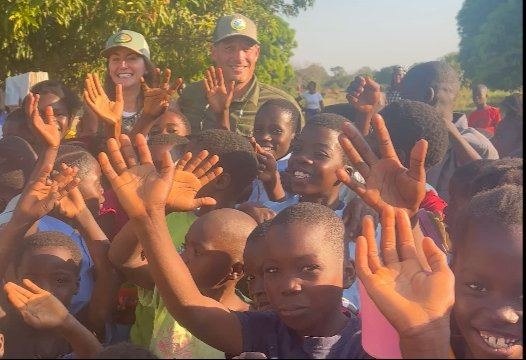
Brooke and Corby Robertson III, co-founders of ZWCF, with children in Zambia

Brooke Robertson

Chair, Board of Directors · Co-Founder, ZWCF

Brooke leads ZWCF's board and is the foundation's most consistent presence on the ground in Zambia. She is involved in the communities surrounding Mfuwe, throughout the Mwanya Chiefdom in close partnership with Chieftainess Mwanya, and in the communities around each of The Bushcamp Company's eight camps. In the field she organizes food deliveries, runs puppet shows for children, sources school supplies, and is there in person for ribbon cuttings at completed infrastructure. Not a donor at a distance — a presence.
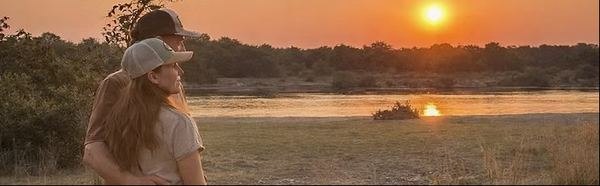
Brooke and Corby Robertson III, co-founders of ZWCF, in Zambia

Corby Robertson III

Advisor · Co-Founder, ZWCF

Corby Robertson III is a Houston-based private equity investor and entrepreneur with more than thirty years of experience across energy, natural resources, and principal investing. He serves as Trustee of the Texas Parks & Wildlife Foundation and as a board member of Natural Resource Partners LP (NYSE: NRP). His connection to the Luangwa Valley began in 1984. The operational investments he has made there — safari operations, Chibembe Wildlife Reserve, the road grader, the borehole drilling rig, the DAF trucks, Land Cruisers, and construction teams — form the operational backbone through which ZWCF's programs are delivered at scale.

"Wildlife thrives when the people who live among it get value from it."
Norman Carr's conservation philosophy

Norman Carr pioneered the walking safari in the Luangwa Valley in the 1950s and early 1960s — and with it, a philosophy of conservation that placed community benefit at its center. His ideas are now the foundation of Zambia's conservation framework and of every durable conservation model in Africa. ZWCF carries his philosophy forward in the same valley where it was first proven to work.

- GOVERNANCE

Board of Directors

BR

Brooke Robertson

Chair, Board of Directors

Co-founder of ZWCF. Leads the foundation's board and its direct community work in the Mwanya Chiefdom.

CM

Cullen Muse, PhD

Vice Chair

Vice Chair, Rainforest Trust; Director, Bat Conservation International. Deep international conservation governance expertise.

JJ

John Jeffers

Director — General Counsel

General Counsel, Robertson Family Office. Legal oversight, governance counsel, and structural expertise for the foundation.

Advisors and Development Committee

Corby Robertson III

Advisor — Texas Parks & Wildlife Foundation

Co-founder of ZWCF. The operational and financial architect behind the foundation's on-the-ground capacity in Zambia.

Katrina Garnett

Advisor — Musekese Conservation

Conservation management in Greater Kafue and the Mumbwa GMA.

Nick Riddin

Advisor — Manager, Remote Africa Safaris

Extensive operational experience in North Luangwa and Chifunda Chiefdom.

Scott Holstead

Development Committee — JP Morgan Securities

Financial advisory expertise supporting ZWCF's capital campaign strategy and endowment development.

Come and see the work.

We host leadership donors in the valley, to meet the chiefs, the scouts and the schools their gifts support.

Talk to us >

or call Alyssa Morales, 713-751-7579