Nov 17, 2026Where the Safari Dollar Goes
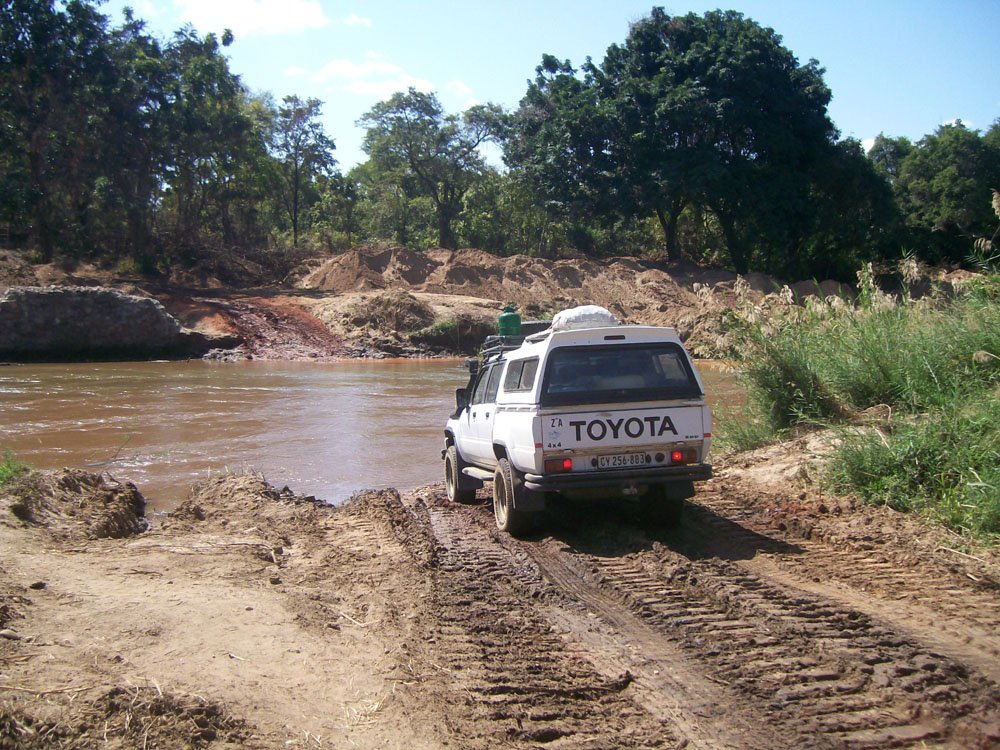
In 2021, researchers from the University of Florida published a study that did something rare: it followed the safari dollar on the ground around South Luangwa National Park. They surveyed visitors, lodges, staff, local businesses and more than 400 households to see where tourism money goes once it…
Nov 17, 2026Save What Is There: African Parks on Conservation at Scale
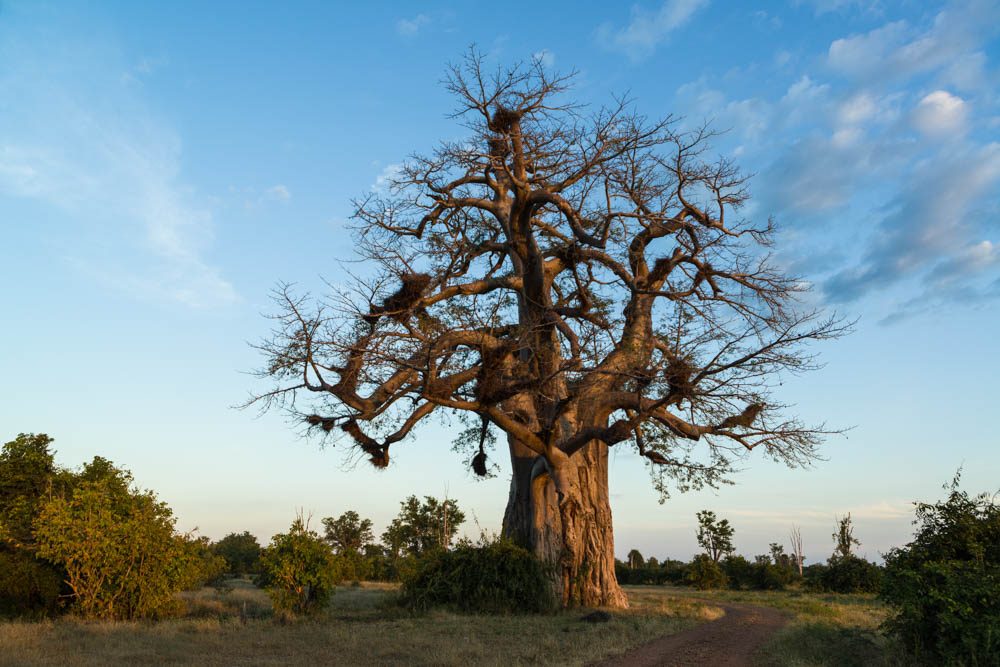
African Parks has released a short film about why it does its work. It runs a few minutes and it is worth watching. Here is what it says, in our words, and why it matters to us. Peter Fearnhead, the organization’s CEO, explains the model plainly. African Parks is a non-profit. Governments own the…
Nov 17, 2026Why the Grass Burns
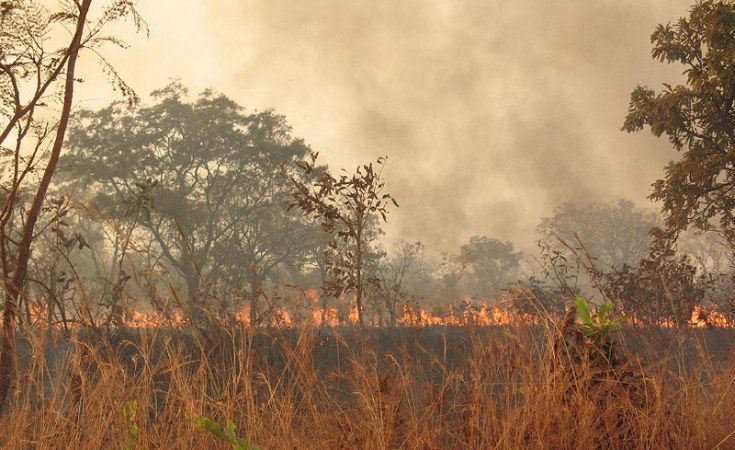
Once the harvest is in, smoke rises across the game management areas. Fire is one of the main ways this land is managed. For villagers, the first reason is safety. Vehicles are rare in the GMAs, and people walk from field to field and village to village. Some use a bicycle and a few have a…
Nov 17, 2026Income That Doesn’t Depend on the Rain
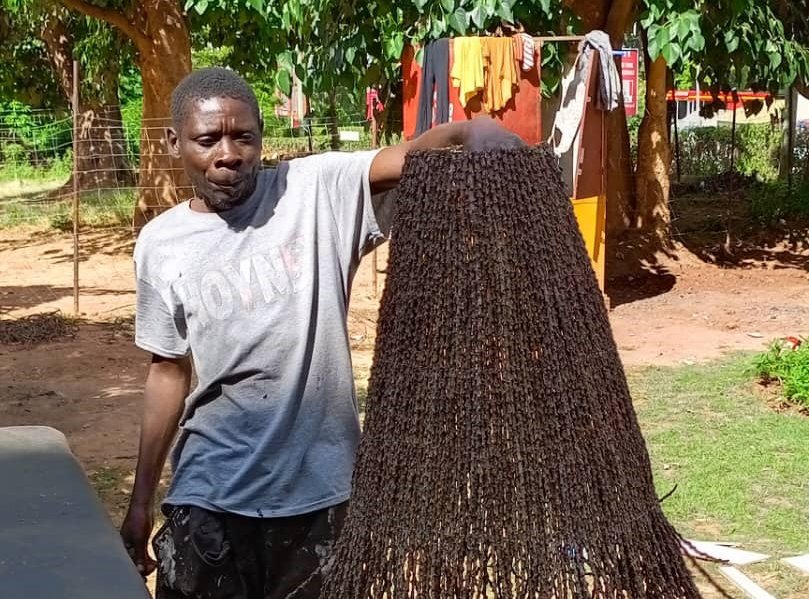
In the game management areas, most families live from the crop in the field, and a dry season or a single elephant can take it all. A second income changes that. Around Mfuwe, the park gate brings visitors, and with them markets like this one, where a stall can earn a family some money. Most of the…
Nov 17, 2026A Year's Food, Gone in a Night
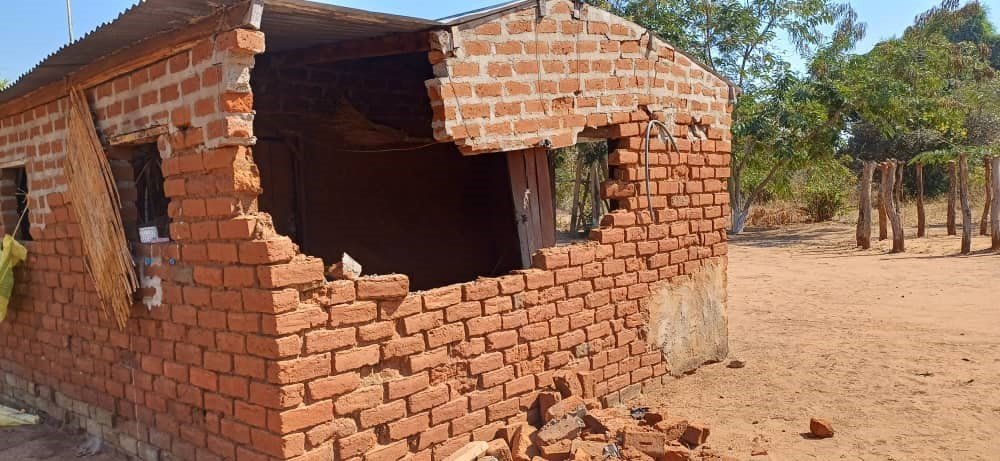
This brick building in a village in the Luangwa Valley held a family's harvest. One night an elephant broke through the wall, and the stores were lost. This is an everyday challenge in the game management areas, the community land that borders Zambia's national parks. Through the growing season,…
Nov 17, 2026When the River Rises
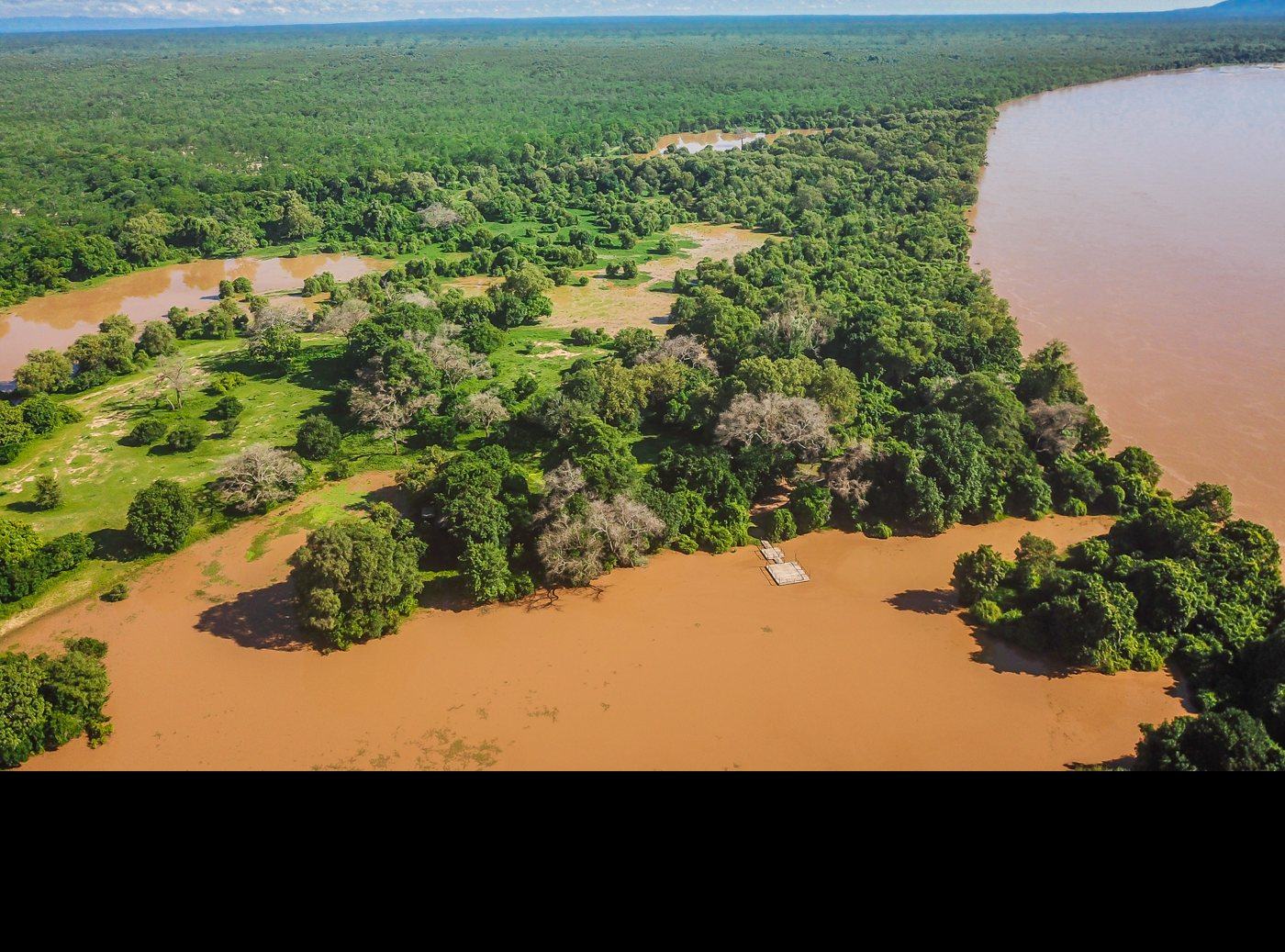
Every rainy season the Luangwa River floods. Villages that are hard to reach in the dry season can be cut off altogether. From the air in February, the Luangwa in flood surrounds Bilimungwe, one of The Bushcamp Company's camps. The same water cuts villages off for weeks at a time. Infrastructure…
Nov 17, 2026The October Winds
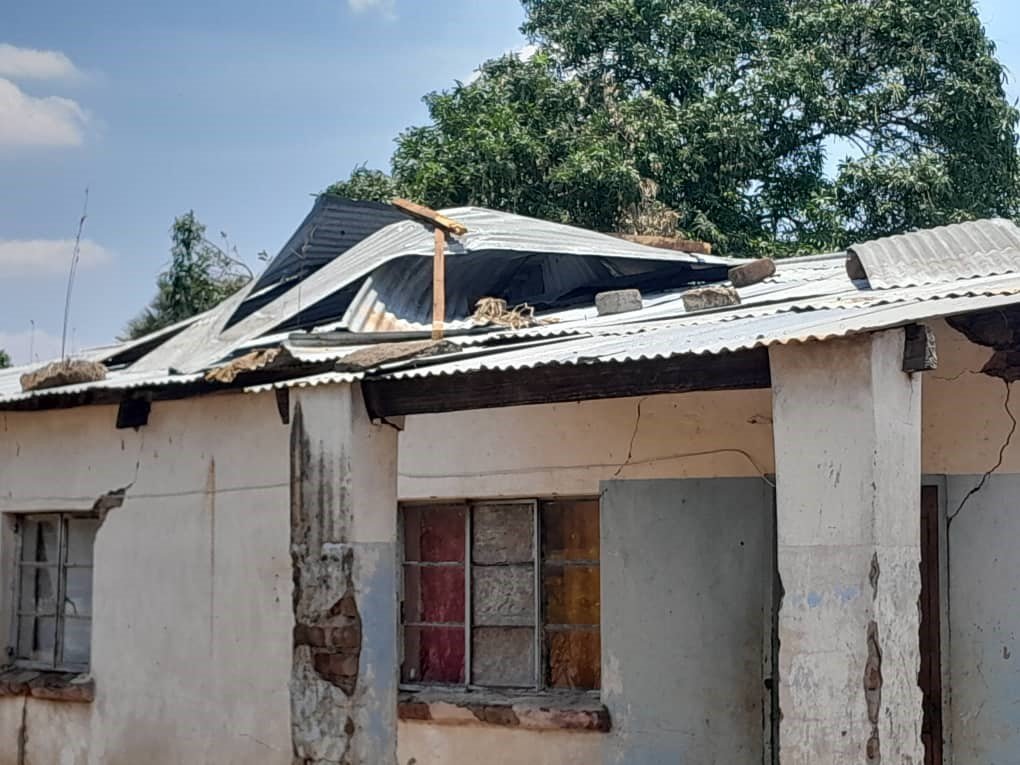
Every year in October, the winds pick up with the heat in the Luangwa Valley. In Mwanya Chiefdom they can turn into small tornadoes. Roofs are torn off and brick walls come down. For families and schools without the means to rebuild, the damage can stay for years. The foundation came in and…
Nov 17, 2026The Drought of 2024
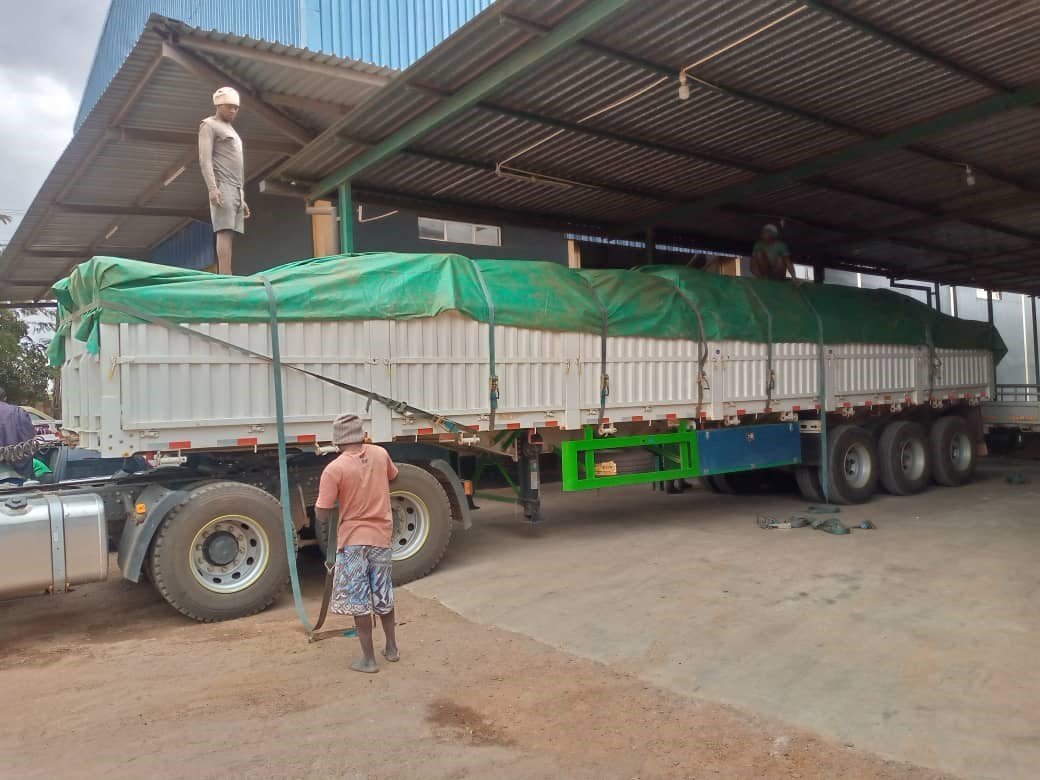
In 2024 the rains failed across southern Africa. According to the World Bank, 5.8 million Zambians faced acute hunger after the drought. We loaded our 18-wheeler with food for the Zambian government to deliver to villages. In a drought, families who farm to eat have nothing to fall back on, and the…
Nov 17, 2026A Drilling Rig of Our Own
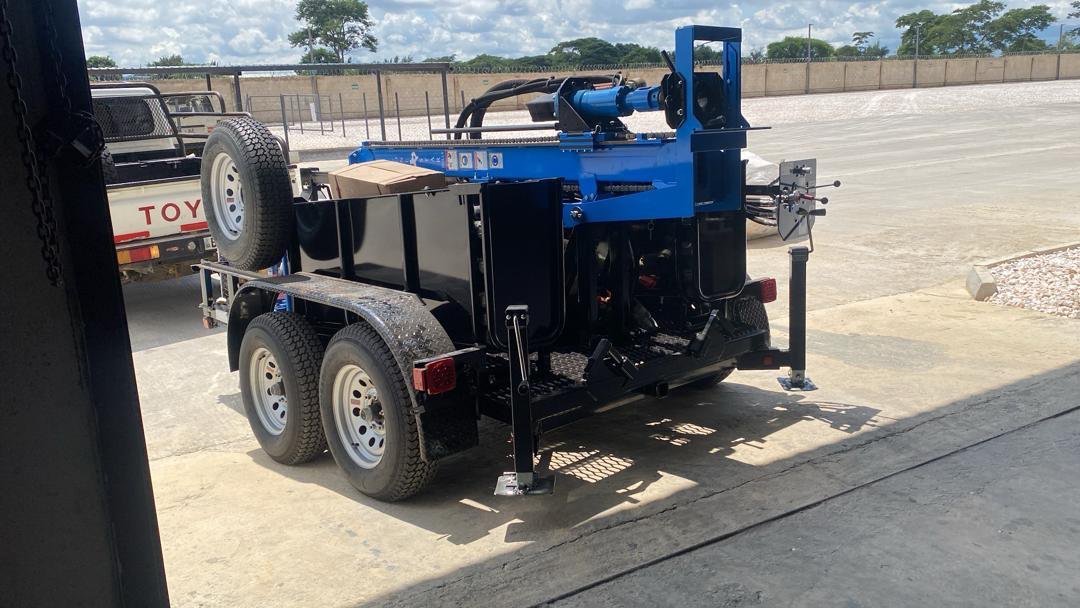
Here is our drilling rig, just pulled out of its shipping container from the United States. The Robertson family owns the rig, and the team at Chibembe operates it for us, wherever we want to take it: drinking water for villages, and water points that hold wildlife through the dry season. A…
Nov 17, 2026On the Boundary
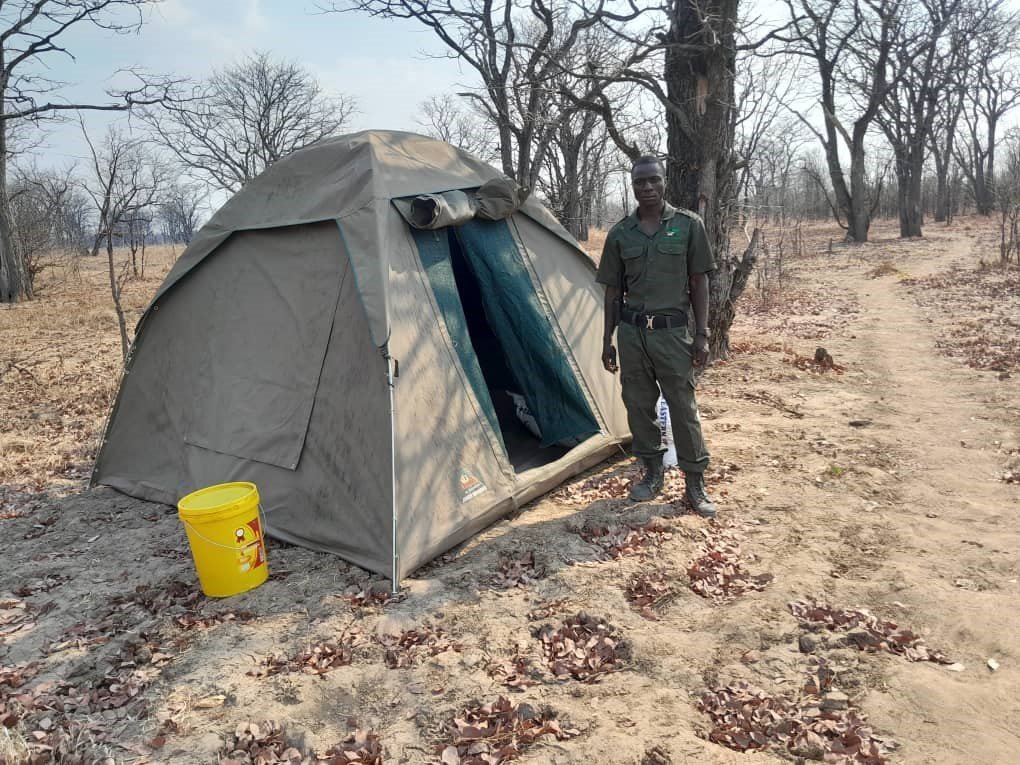
A scout on duty at his tent on the boundary of Chibembe Wildlife Reserve. Scouts patrol Chibembe every day. They are DNPW scouts, arranged with the Department of National Parks and Wildlife and paid for by Chibembe Wildlife Reserve. They are recruited from the communities of Mwanya Chiefdom: local…
Aug 26, 2026Five Boreholes, a Classroom Visit, and a Ceremony That's Been Danced for Centuries
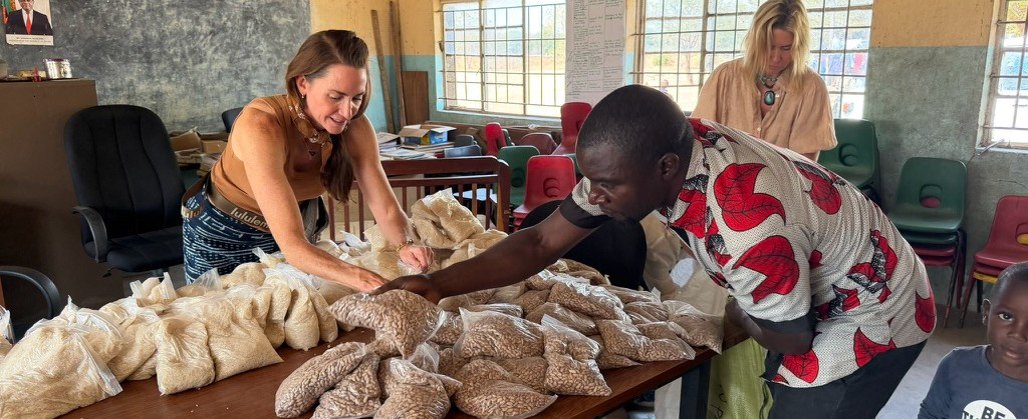
Every trip to Zambia confirms something we already believe: the work that matters most is the work no one photographs. The borehole drilled in a village three hours from the nearest paved road. The classroom where a teacher waits for supplies that were promised last year. The ceremony that has been…
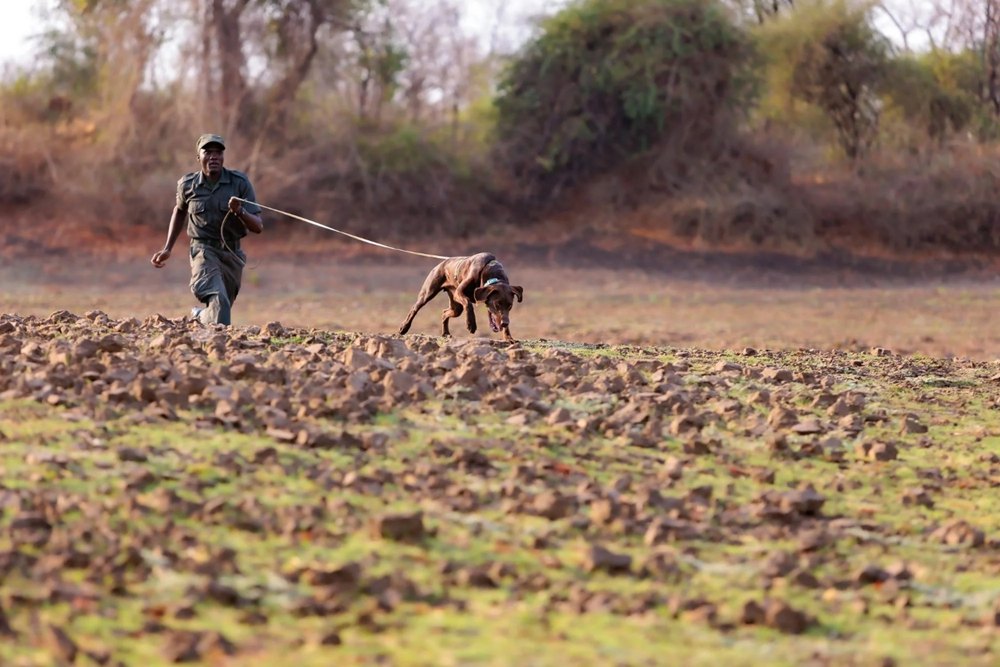
Apr 27, 2026ZWCF Funds Conservation South Luangwa’s Anti-Poaching K9 Unit with $10,000 Contribution
The Zambia Wildlife and Community Foundation (ZWCF) has contributed US$10,000 to Conservation South Luangwa (CSL) to support its specialized anti-poaching K9 Unit in South Luangwa National Park, Zambia—a critical frontline tool in wildlife crime detection and enforcement. This funding comes at a…
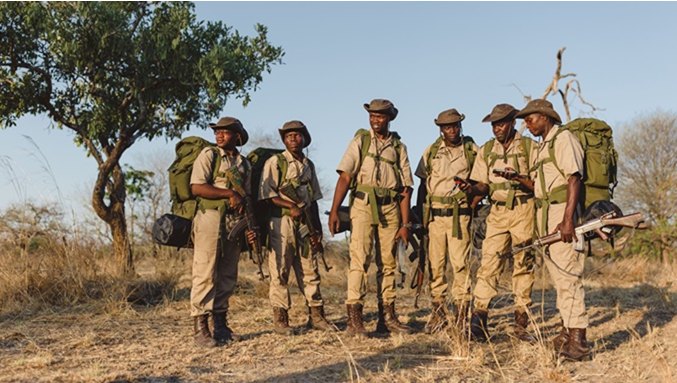
Apr 24, 2026ZWCF Funds US$50,000 Firearms Procurement to Strengthen Resource Protection in Game Management Areas that are part of the Greater Kafue Ecosystem
The Zambia Wildlife and Community Foundation (ZWCF) has committed US$50,000 to Musekese Conservation to support the procurement of essential firearms for Resource Protection teams operating in the Mumbwa Game Management Area (GMA) and Kasonso-Busanga within the Greater Kafue Ecosystem. This…
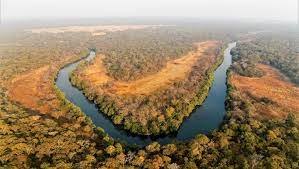
Apr 8, 2026Game Management Areas Explained
Zambia’s national parks protect some of the most significant wildlife landscapes on the continent. But parks alone are not enough. A national park without a functioning buffer zone is an ecological island — isolated from the broader landscape, cut off from migration corridors, and over time,…
Apr 7, 2026How ZWCF Is Structured
Zambia Wildlife & Community Foundation is a registered 501(c)(3) nonprofit organization in the United States. Our EIN is 81-5035617. Donations are tax-deductible to the extent provided by law. There is no overhead charge on donor funds. The founders’ existing operational infrastructure — equipment,…
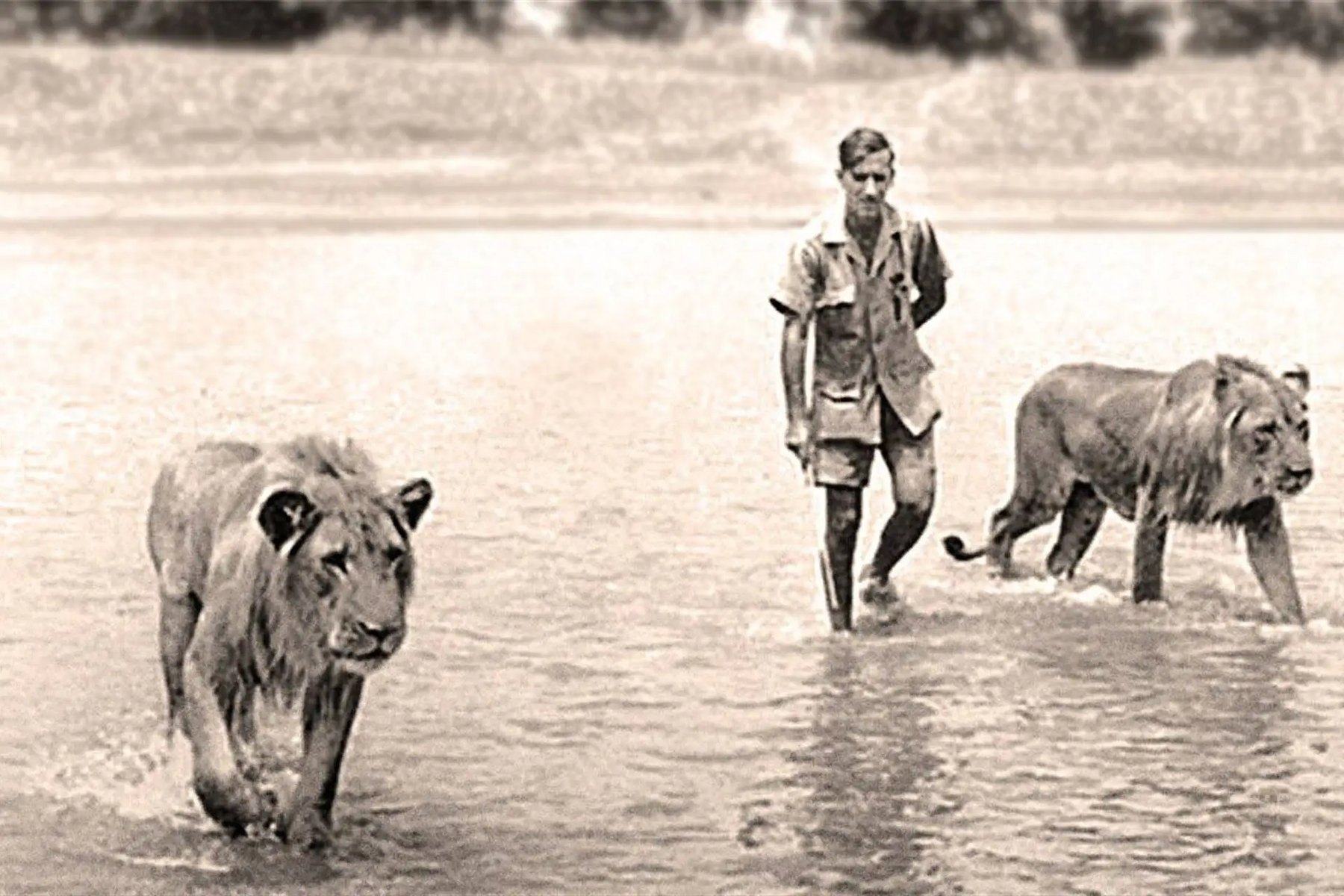
Apr 3, 2026Norman Carr & the Conservation Philosophy
Norman Carr pioneered the walking safari in the Luangwa Valley in the 1950s and early 1960s — and with it, a philosophy that community benefit must be central to wildlife conservation. His ideas are now the foundation of Zambia’s national conservation framework and of every durable conservation…
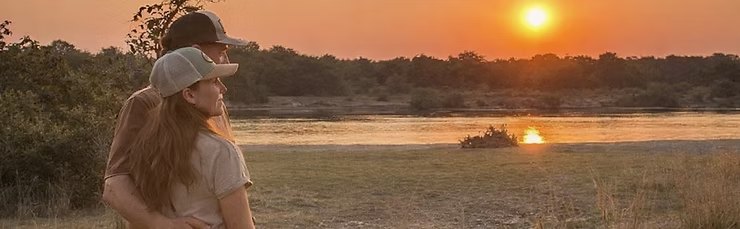
Mar 24, 2026What Brooke and Corby Robertson III are Building in Zambia's Luangwa Valley
Brooke and Corby Robertson III are a Texas-based family with a long history of community and conservation work, a commitment to giving back to cherished communities that has been passed down for several generations. Since 2023, they have embarked on one of the most active private conservation and…
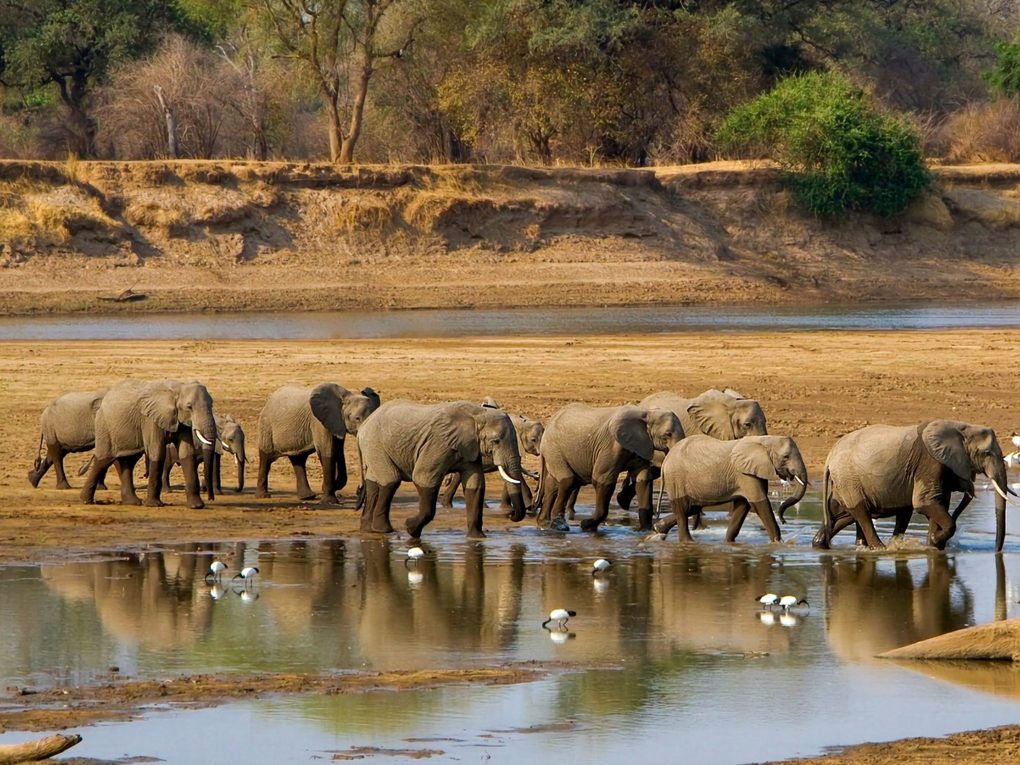
Mar 4, 2026Zambia’s National Parks
Zambia has 20 national parks covering approximately 8 percent of its total land area. Together with the Game Management Areas that surround them, protected landscapes account for 38 percent of the country — one of the highest proportions on the continent. These are not nominal designations.…